
H-2B Visas
What Every Business Needs to Know Before Filing H-2B
Filing for seasonal labor is no longer a simple administrative task. For businesses relying on H-2B workers, the stakes are higher than ever. Enforcement is increasing. Filing volumes are rising. Timelines are tighter. Small mistakes can delay your season or create compliance issues that follow your business for years.
This guide is designed to help seasonal businesses understand what actually matters when filing H-2B today so you can protect your workforce, your revenue, and your operation.
Treating H-2B as Paperwork Instead of a Process
Many businesses believe success comes down to submitting the right forms on time. In reality, most filing problems begin much earlier.
Filing is the final step in a longer process. When that process is rushed or incomplete, delays and compliance risks follow.
Successful H-2B filings start with planning, not paperwork.
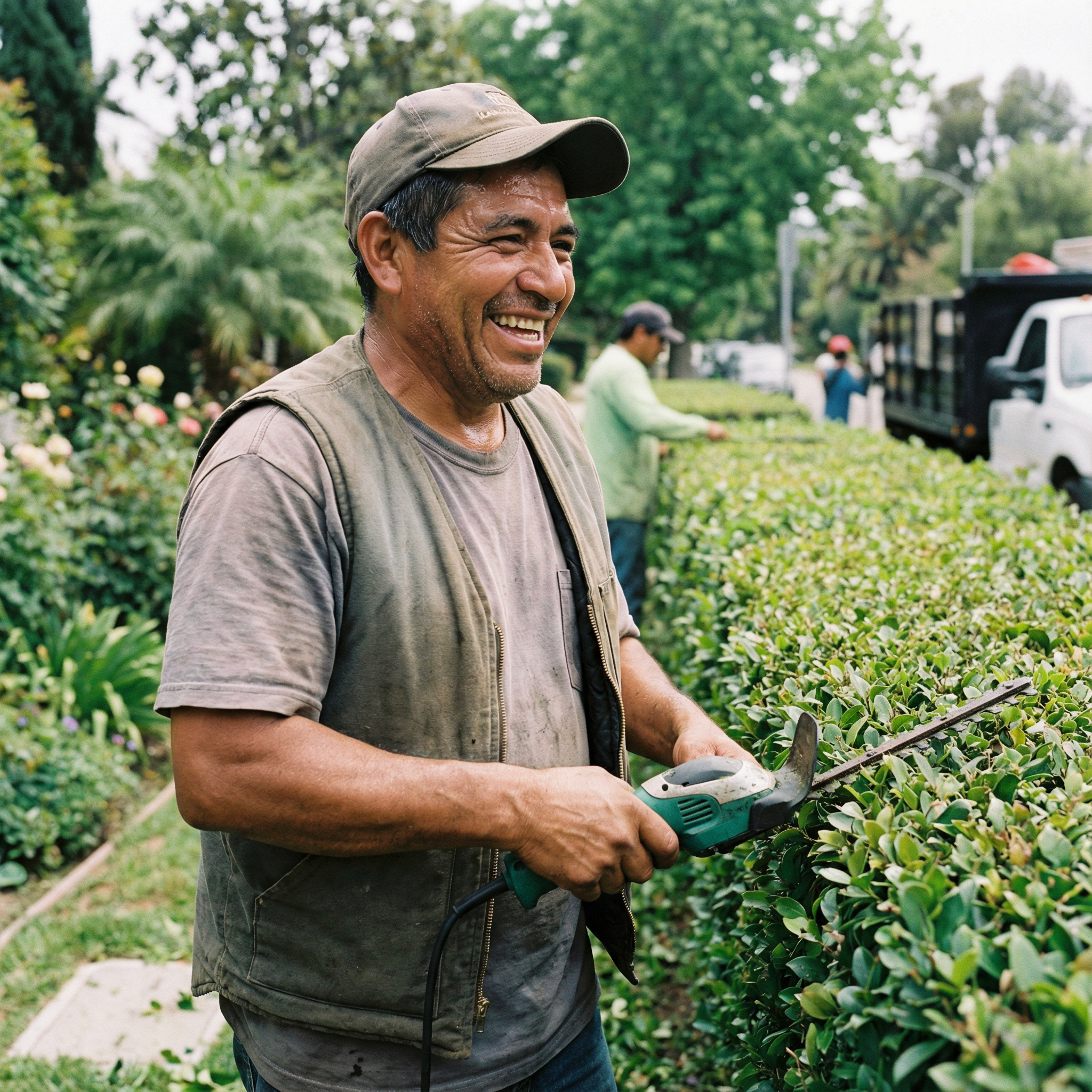
What the H-2B program is, who it’s for, and how it operates.
H-2B is designed for non agricultural seasonal labor and operates under an annual cap. This cap introduces lottery risk, strict filing windows, and significant sensitivity to timing errors.
Approval is not just about eligibility. It is about preparation, accuracy, and execution within narrow deadlines.
As demand increases and competition grows, filing late or relying on generic approaches increases risk.
Timing and Accuracy Matter More Than Ever
H-2B filings operate under compressed timelines with little margin for error. Mistakes in job descriptions, recruitment steps, prevailing wage filings, or dates of need can reduce the likelihood of approval or delay worker arrival.
The goal with H-2B is not simply to file. It is to file early, file accurately, and understand how every step impacts outcomes.
Businesses that treat H-2B as a repeatable system outperform those that treat it as a seasonal scramble.
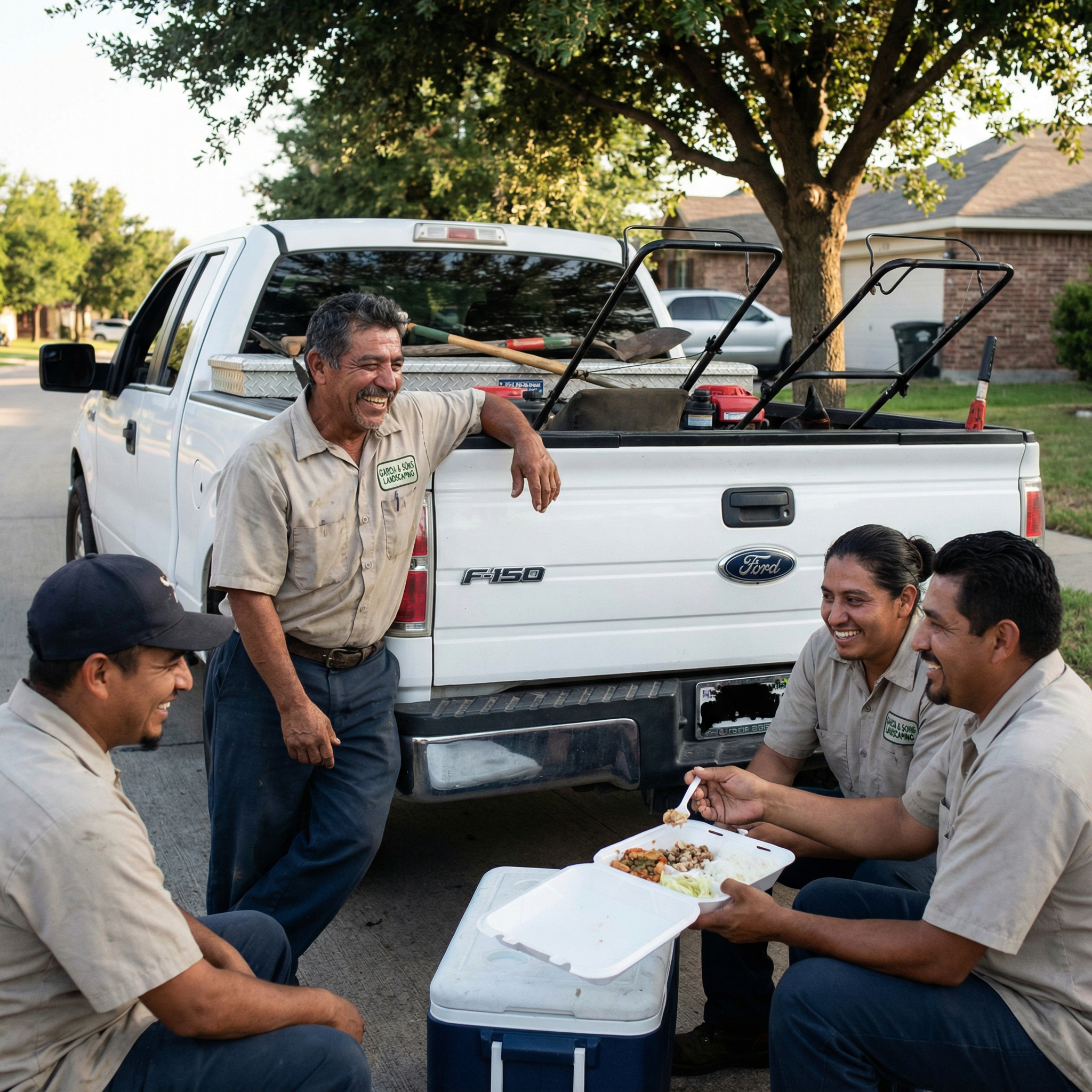
The Issues Businesses Rarely Anticipate
Most H-2B delays are not caused by unexpected government changes. They are caused by avoidable issues that surface too late in the process.
When these issues appear close to filing deadlines, options become limited.
Why Starting Early Changes Everything
There is no downside to starting early. Early planning creates flexibility. It allows time to address compliance issues, adjust timelines, and respond to agency feedback without pressure.
Waiting until filing windows open removes options and increases risk.
Businesses that start early file with confidence. Businesses that start late file with uncertainty.
What to Expect From a Proper Filing Partner
Choosing who handles your H-2B filing is a risk decision, not a price decision.
A proper filing partner should provide
Why Businesses Change Filing Providers
Most companies do not switch filing partners because of a single mistake. They switch because the same issues repeat season after season.
Seasonal labor requires precision. When precision is missing, risk compounds over time.
How to Set Your Filing Up for Success
Successful H-2B filings follow the same principles.
When these elements are in place, seasonal labor becomes predictable instead of stressful.
H-2B is a powerful tool when handled correctly. When rushed or mismanaged, it introduces unnecessary risk into your operation.
The difference comes down to preparation, experience, and execution.
If you are preparing to file H-2B and want to ensure your process is set up correctly from the start, a filing review can help identify timeline gaps, compliance risks, and preventable issues before they impact your season.
The goal is simple.
File once. File correctly. Protect your workforce and your business.
